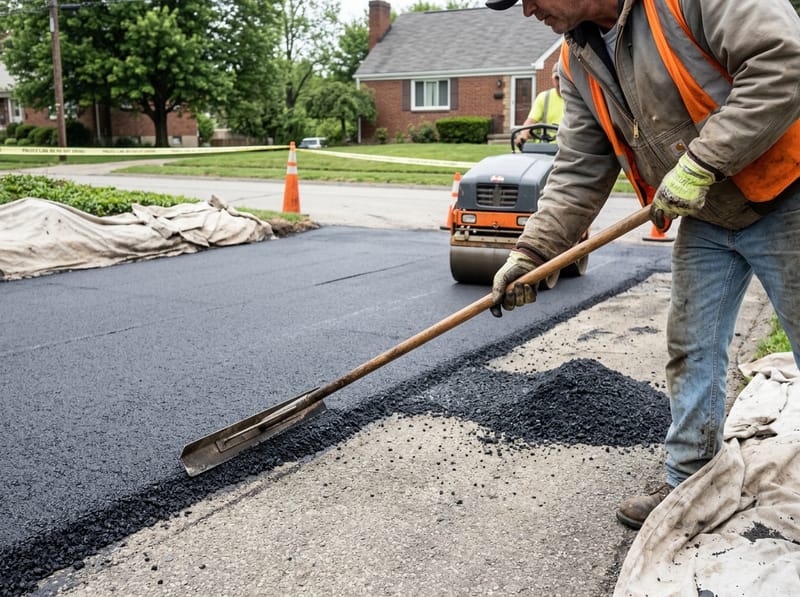
Asphalt paving in Penn Hills is about more than laying blacktop. It is a surface-building process that starts with the ground below the pavement and ends with a clean, even finish that supports your driveway, private lane, or other paved area with dependable strength. For homeowners in Penn Hills, good asphalt paving should make daily life easier, improve the look of the property, and reduce the trouble that comes from standing water, rough edges, or failing patchwork.
What This Service Involves
When you hire a team for asphalt paving in Penn Hills, you are asking for a full surface installation or replacement process built around structure, slope, and finish. The work usually begins with a careful look at the site so the crew can understand how water moves, where the surface needs support, and how much preparation is required before paving starts. That early planning matters because asphalt performs best when the base is strong, level, and shaped with drainage in mind.
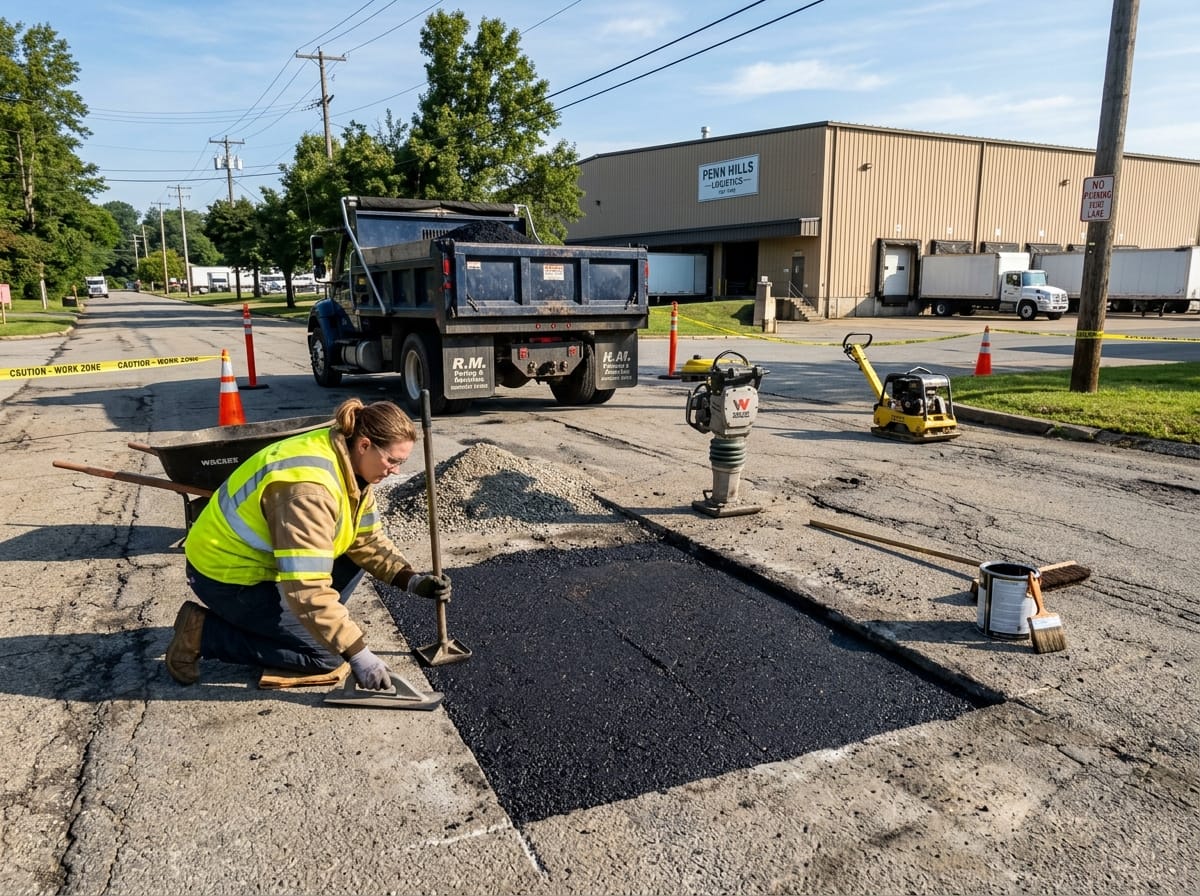
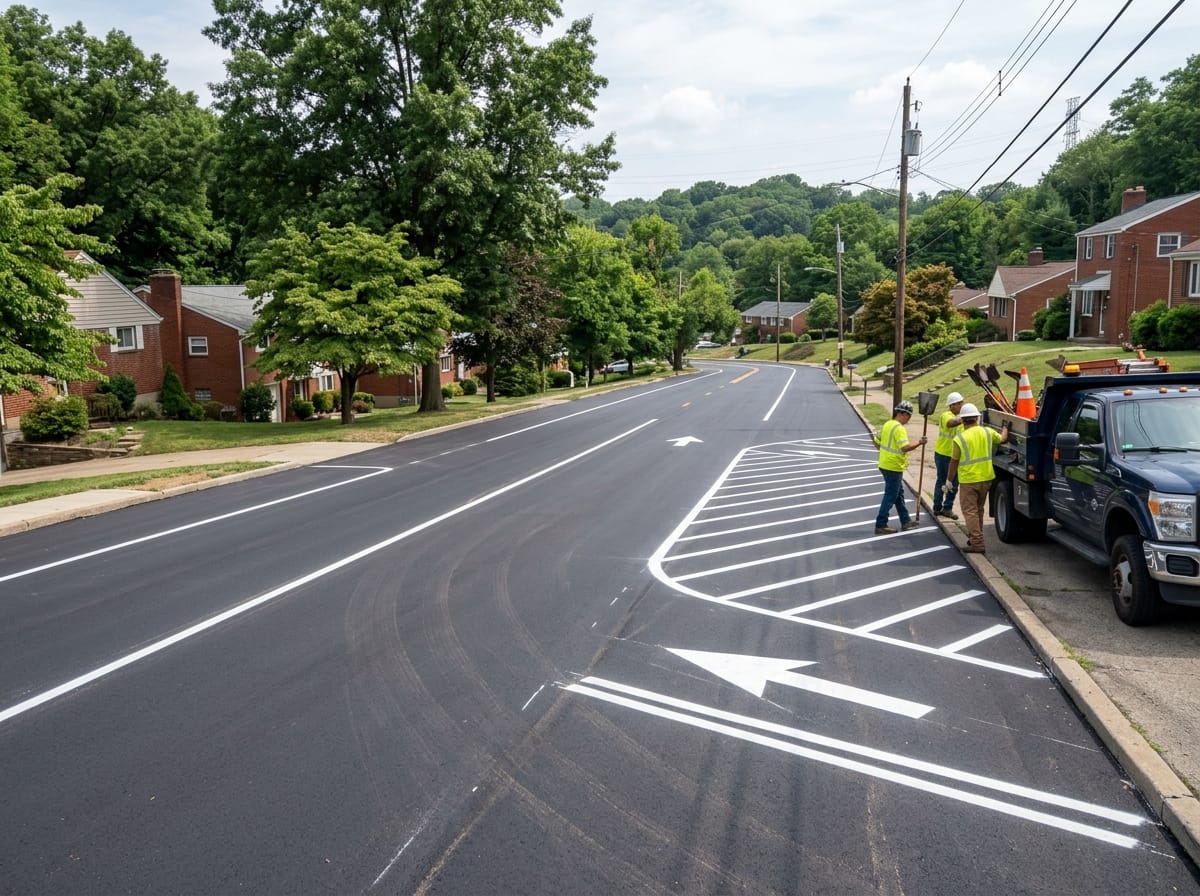
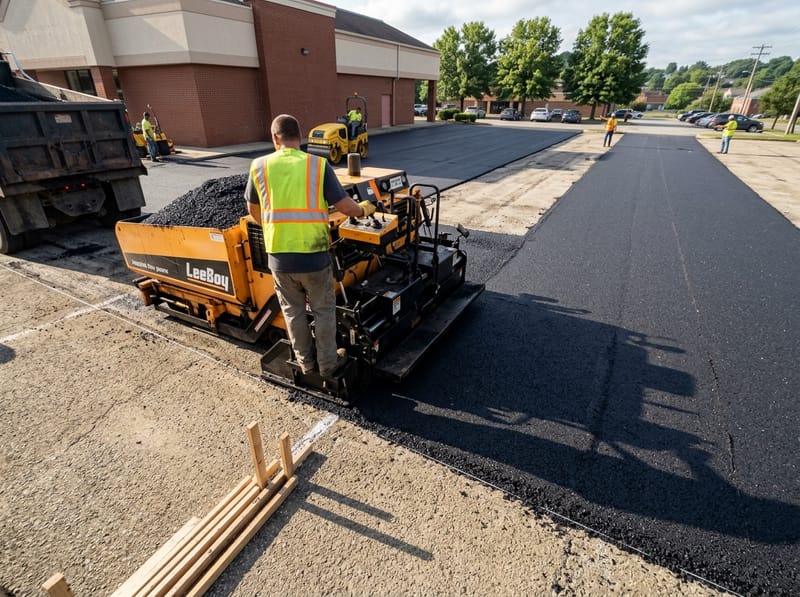
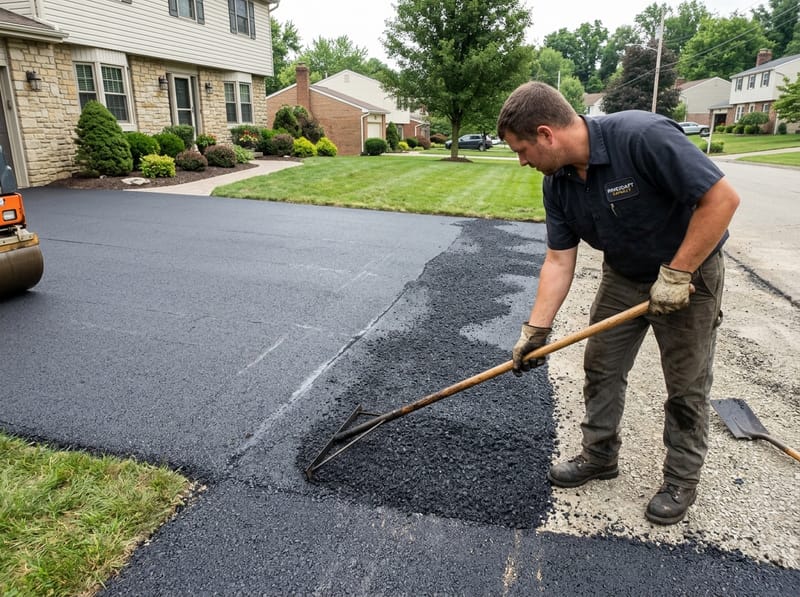
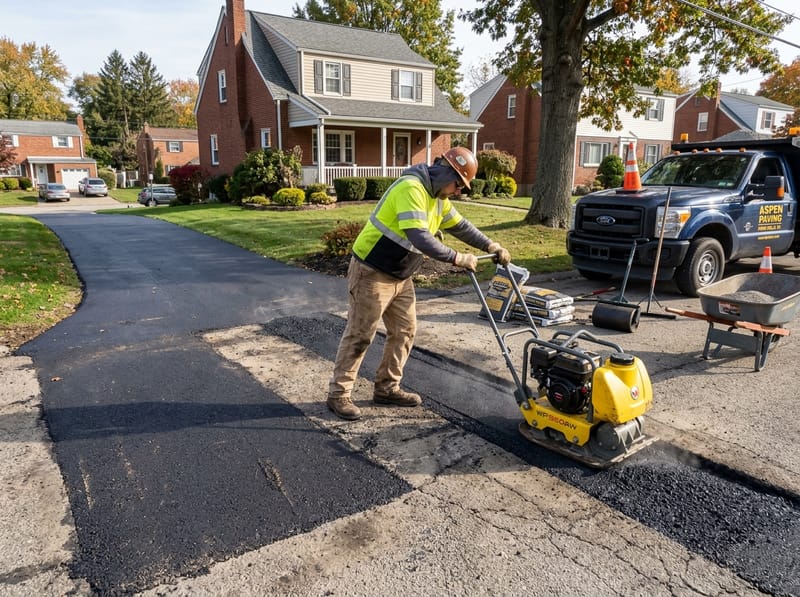
The paving process often includes removing broken material, reshaping the area, building a compacted stone base, and then placing hot asphalt with the right thickness for the job. Skilled crews use specialized techniques to spread, level, and compact the mix so the surface settles into a tight, uniform layer. Good asphalt paving in Penn Hills should leave you with clean edges, a smooth driving path, and a surface that looks intentional rather than rushed.
Homeowners often choose this service for:
- New driveway installation for a home that needs a fresh paved surface
- Replacement of an old driveway that has broken down beyond simple patching
- Expansion of an existing driveway to create more parking space
- Regrading and repaving where drainage or settling has caused trouble
- Clean resurfacing work that restores appearance and everyday use
A strong result depends on the details. That means proper excavation depth, careful grading, disciplined compaction, and a finished surface that sheds water instead of trapping it. In Penn Hills, where weather changes and everyday vehicle traffic can wear a driveway down fast, those details make a real difference in how long the pavement performs and how good it looks.
When You Need This Service
You may need asphalt paving in Penn Hills when your driveway or paved area stops functioning the way it should. Some problems are obvious, like deep cracks, potholes, or sections that have sunk. Others are easier to ignore at first, such as edges that crumble, water that sits after rain, or a surface that has become rough and uneven. Those early warning signs usually mean the pavement is losing strength and the base below it may no longer be supporting the load properly.
Many homeowners start thinking about asphalt paving when simple repairs stop making sense. If your driveway has multiple problem spots, repeated patching may only hide a deeper issue for a short time. When the surface looks worn across a wide area, or when the driveway no longer offers a smooth path for cars, paving becomes a practical way to reset the surface instead of chasing one repair after another.
Common signs that you may need asphalt paving in Penn Hills include:
- Frequent cracking that returns after patching
- Potholes or soft spots that keep getting worse
- Standing water after storms
- Uneven areas that make driving or walking uncomfortable
- Edges that are breaking apart or collapsing
- A surface that looks faded, worn, and structurally tired
- Driveway changes tied to remodeling, new parking needs, or property improvements
For a Penn Hills homeowner, the right time to pave is often before the damage spreads too far. Acting early can prevent deeper base failure, reduce the chance of drainage-related issues, and give you a cleaner finished result with less disruption to the property.
Why Problems Happen
Most asphalt problems begin below the surface. If the soil or stone base was not prepared correctly, the pavement can settle unevenly and start to crack. Water is another major cause. When rain or melting snow gets into small openings, it can weaken the layers below and create more movement each time temperatures shift. In Penn Hills, that kind of weather-driven wear can turn a small flaw into a larger problem if the driveway is left untreated.
Traffic also plays a role. Passenger cars, delivery vehicles, trash trucks, and repeated turning in the same spots all place stress on the pavement. If the surface thickness or base support is not right for the way the area is used, the pavement can show ruts, dips, or edge damage sooner than expected. That is why experienced teams pay attention to the whole system, not just the top layer.
Other common causes include:
- Poor drainage that lets water collect instead of run off
- Weak or contaminated base materials
- Freeze and thaw movement that pushes the surface apart
- Heavy loads concentrated in one area
- Sun exposure and age that gradually dry and harden the surface
- Improper previous repairs that did not address the source of the damage
The practical takeaway is simple: asphalt lasts longer when the base, slope, thickness, and drainage all work together. A skilled paving crew uses that knowledge to prevent recurring problems instead of just smoothing over them.
What Affects Cost
The cost of asphalt paving in Penn Hills depends on the conditions of your property and the amount of work required before the new surface can go down. A flat, open driveway with a stable base is usually simpler than a site that needs major regrading, drainage correction, or removal of old material. More preparation means more labor, more equipment time, and more material handling before the paving even begins.
Project size matters, but size is only one part of the picture. The condition of the existing surface, the depth of base work needed, how easy it is to reach the driveway, and whether the crew must remove failed asphalt all affect the scope of the job. If the site has awkward curves, tight access, or trouble spots near landscaping, retaining walls, or garage transitions, the work becomes more detailed and may require extra care from the paving team.
Factors that commonly influence cost include:
- How much old asphalt must be removed
- Whether the base needs repair or rebuild work
- Drainage corrections and slope adjustments
- Driveway shape, access, and site layout
- Surface thickness and finish expectations
- Cleanup, hauling, and disposal needs
- Any edge work needed to tie the new pavement into existing areas
The most helpful way to think about price is to focus on value and durability. A careful paving job may require more preparation up front, but it can deliver a better-looking surface that performs well and avoids the frustration of repeat repairs. For homeowners in Penn Hills, the right approach is usually the one that solves the real problem instead of masking it.
Repair vs. Replacement
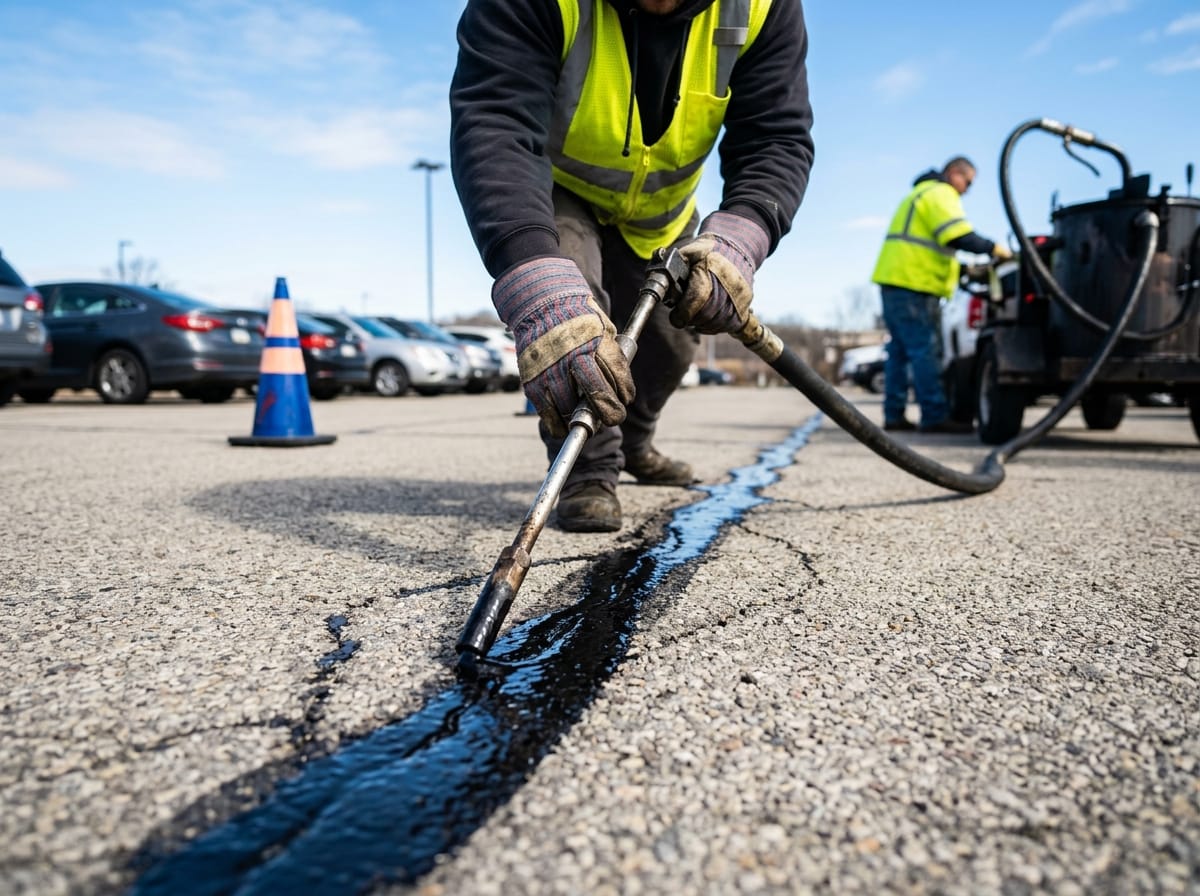
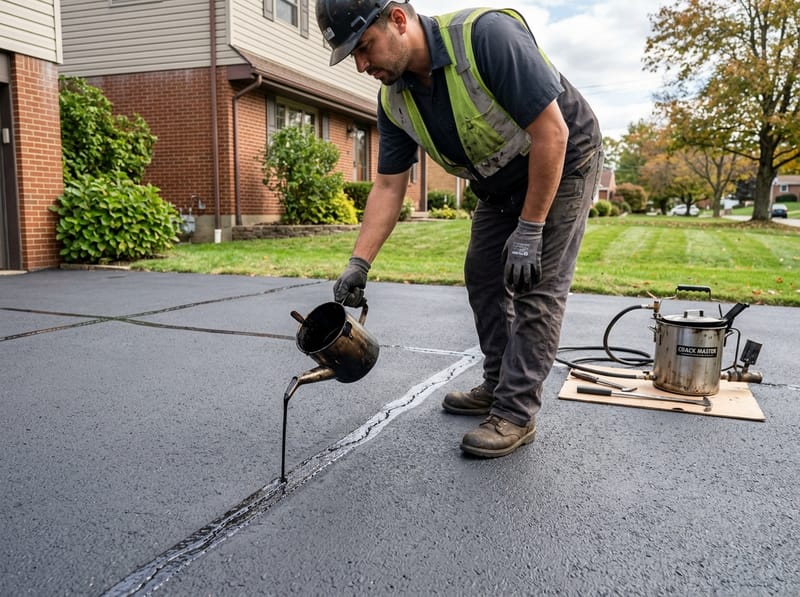
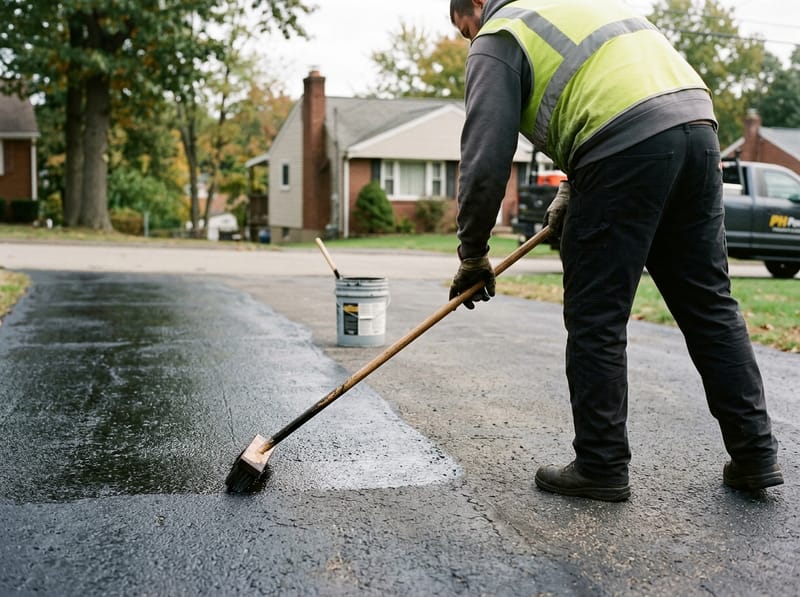
Repair and replacement solve different problems, and the right choice depends on how far the damage has spread. Small cracks, isolated potholes, or limited edge wear may be handled with targeted repair if the base is still sound and the rest of the driveway is in good shape. That approach makes sense when the damage is localized and the surface around it still has stable support.
Replacement is often the better choice when the driveway has widespread cracking, repeated failures, or multiple low spots that hold water. If the base is weak or the pavement is breaking down across most of the surface, a repair may look good for a short time but fail again because the root cause was never corrected. In those cases, full asphalt paving in Penn Hills gives you a cleaner reset and a better chance at long-term performance.
Here is the simplest way to compare the two:
- Repair works best for smaller, contained damage and a generally healthy base
- Replacement works best when the surface has broad structural failure or repeated drainage issues
- Resurfacing may work when the existing driveway is still stable enough to support a new top layer
A seasoned paving team will look at the surface, the base, and the drainage before recommending a path forward. That kind of evaluation helps you avoid wasting money on a fix that does not address the real problem.
How Our Asphalt Paving Process Works in Penn Hills
At Asphalt Pros of Penn Hills, the process is built around careful preparation and steady workmanship. The goal is a surface that looks clean on day one and keeps performing after repeated use. The crew starts by reviewing the site, discussing how the driveway is used, and identifying any problem areas that need attention before paving begins. From there, the work moves into shaping and support.
A typical process includes removing damaged material if needed, correcting the grade, building a compacted aggregate base, and preparing the surface so the asphalt can be placed evenly. Hot mix asphalt is then spread and shaped with attention to edges, transitions, and drainage flow. Compaction follows, because the pavement needs pressure to lock together properly and achieve a dense, durable finish.
That process may sound straightforward, but the quality comes from technique. Master craftsmen know how to read the site, adjust to changing conditions, and finish the job so the driveway feels smooth under tires and looks neat from the street. In Penn Hills, where homeowners want a driveway that handles local weather and everyday use, that level of care matters.
Maintenance Tips for Longer Life
After your asphalt paving project is complete, a little attention helps the surface last longer. Keep the driveway clear of debris, clean up oil or fluid spills quickly, and avoid letting water sit in low areas for long periods. If you notice a small crack or edge issue early, addressing it sooner can help prevent larger damage later.
It also helps to avoid harsh turning or repeated stress in the same spot when possible, especially if the surface is new or recently refreshed. Proper maintenance does not need to be complicated. It just needs to be consistent, because asphalt lasts longer when moisture, heavy wear, and minor damage are managed before they spread.
For homeowners seeking asphalt paving in Penn Hills, the best results come from choosing a team that understands both the surface and the structure underneath it. Strong paving work should give you a driveway that looks better, functions better, and supports your property with confidence.